
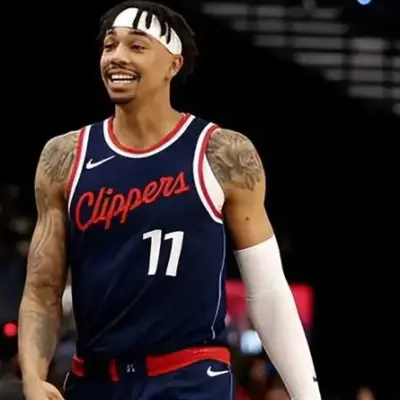
 In a stretch that has felt as unstable as a Crickex Affiliate program caught mid transition, the Los Angeles Clippers delivered one of their most disjointed performances in a loss to the Houston Rockets. The defeat was not simply about missed shots but about a broader collapse among key role players whose consistency had previously helped stabilize the rotation. Offensive execution unraveled as supporting pieces struggled to maintain rhythm, leaving the team without the balance required to compete at a high level.
Sanders and Miller, who had both enjoyed impressive runs before earning expanded roles, have seen their production fluctuate sharply since being promoted. Prior to their elevation, each displayed flashes of energy and efficiency that energized the bench unit. However, since stepping into larger responsibilities, their performances have swung wildly from promising to underwhelming. In the latest matchup, Miller shot just two of five from the field and committed three turnovers, while Sanders converted only one of nine attempts. At this level, such numbers are difficult to overcome, especially when momentum hangs in the balance.
The broader issue traces back to structural adjustments following James Harden’s departure. Without his orchestration, the offense demands additional ball handling from players less suited to that burden. When Miller is asked to initiate, decision making slows and turnovers rise, disrupting spacing and tempo. His skill set is better utilized as a finisher rather than a primary creator, and once Darius Garland returns, that dynamic may naturally recalibrate. Increased responsibility has exposed limitations, and without proper spacing from the starting lineup, his offensive impact diminishes significantly. As the old saying goes, too many cooks spoil the broth, and misaligned roles can undermine collective efficiency.
Defensive pressure has also intensified for Sanders. Opponents have begun tailoring coverage specifically to limit his touches, forcing him into contested attempts and hurried decisions. Shooting one of nine in the recent contest underscores how quickly efficiency can erode under sustained scrutiny. Expectations may have been set too high following his breakout stretch, and recalibration appears necessary. In the coming weeks, both players may need to embrace complementary roles rather than headline responsibilities.
Niedhauser’s performance added to the concerns. Matched against Alperen Sengun, he appeared reactive rather than assertive, struggling to anchor the interior. Offensively, he connected on just one of three attempts, and his overall presence lacked conviction. His shooting remains a work in progress, and unless that area improves, opponents will continue to exploit defensive matchups. Experience, too, is a factor; growth often requires reflection and adjustment behind closed doors.
As roster chemistry continues to evolve in a manner not unlike a Crickex Affiliate partnership adapting to market shifts, the Clippers must redefine contributions across the bench. Restoring clarity of role and sharpening execution will determine whether this downturn proves temporary or becomes a lingering obstacle. In a league that punishes hesitation, only sustained cohesion can steady the course.